

 See My Latest Article on HelloNation
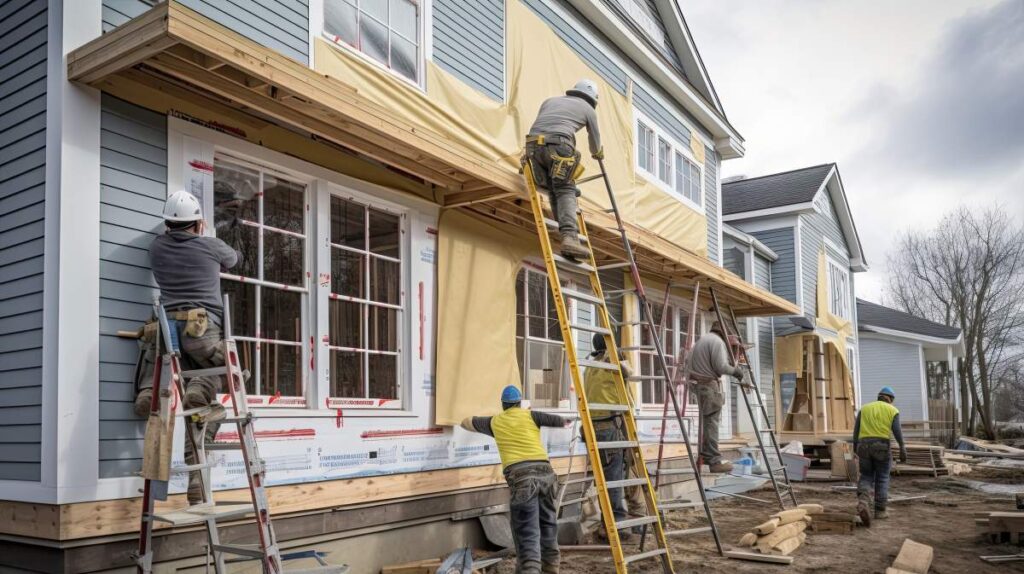
Peeling exterior paint is usually a symptom of a surface or moisture problem rather than a simple failure of the paint itself. Paint may lift because water is getting behind it, the surface was poorly prepared, the coating was applied under unfavorable conditions, or the underlying siding or trim is deteriorating.
For residents in Fallston, MD, seasonal humidity, rain, temperature swings, and winter freeze-thaw cycles can make small weaknesses more noticeable over time. The most durable repair addresses the cause first, then restores the damaged paint system.
What causes exterior paint to peel?
The most common cause is moisture trapped beneath the coating. Water can enter through cracked caulk, open joints, failed flashing, loose siding, clogged gutters, roof-edge problems, or unsealed end grain on wood trim. As the surface absorbs and releases moisture, the paint loses adhesion and begins to blister, crack, or peel.
Other common causes include:
- Painting over dirt, chalky residue, mildew, grease, or loose previous coatings
- Applying paint to damp wood, masonry, or siding
- Painting during very humid, cold, or hot conditions
- Using an incompatible primer or finish coat
- Applying a new coat over glossy paint without dulling the surface
- Allowing bare wood or repaired areas to remain unprimed
- Normal aging after many years of sun and weather exposure
- Rot, insect damage, or swelling in the material beneath the paint
Peeling that appears in one isolated area often points to a localized leak or damaged substrate. Peeling across an entire wall may indicate widespread moisture, poor preparation, or a coating that has reached the end of its service life.
How can you tell why the paint is peeling?
The location and shape of the damage often provide useful clues. Paint that peels near windows, doors, rooflines, gutters, or deck connections may be responding to water entry. Peeling near the bottom of siding can result from splashback, wet soil, snow contact, or water held against the wall by vegetation.
Blisters or bubbles usually suggest moisture or heat beneath the coating. Fine cracking that resembles dry, brittle skin may indicate an aging paint film. Peeling in long strips can occur when paint was applied over a loose or poorly bonded layer.
Look closely at the exposed surface:
- Soft, dark, or crumbly wood may indicate rot.
- White, powdery residue on masonry may be efflorescence, which signals moisture movement through the material.
- Green, black, or gray growth may indicate mildew or persistent dampness.
- Rust-colored stains may point to exposed fasteners or metal components.
- Bare surfaces that feel unusually smooth or glossy may not have been properly prepared for repainting.
A moisture meter can help identify damp materials, but visual inspection is still useful for finding obvious drainage and maintenance problems.
How should peeling paint be repaired?
A lasting repair generally follows five stages: identify the cause, remove unstable paint, prepare the surface, prime exposed areas, and apply compatible finish coats.
First, correct water entry or material damage. Clean gutters and downspouts, repair leaking joints, replace failed caulk, improve drainage, and address damaged siding or trim. Painting over an active moisture problem usually leads to another round of peeling.
Next, scrape away paint that is loose, curled, blistered, or no longer firmly attached. A putty knife or paint scraper is often sufficient for small areas. The goal is not necessarily to remove every layer of paint. Firmly bonded coatings can often remain if their edges are feathered smooth.
Sanding helps reduce ridges between bare areas and intact paint. Use appropriate respiratory and eye protection, and avoid aggressive dry sanding when dealing with older coatings. Dust and chips should be contained rather than allowed to spread through soil, porches, or play areas.
After scraping and sanding, clean the surface according to the siding material and the type of residue present. Mildew requires cleaning that removes the growth, not simply painting over it. Dirt, chalk, and cleaning residue must be rinsed away. The surface should then dry thoroughly before priming or painting.
Bare wood, patched areas, exposed metal, and other porous or reactive spots generally need the appropriate primer. Primer helps even out absorption, improve adhesion, and reduce the chance that stains or tannins will bleed through the finish coat.
Finally, apply compatible exterior paint in suitable weather. Follow the product’s temperature and recoat requirements, and allow enough drying time before dew, rain, or overnight humidity arrives.
Can peeling paint simply be painted over?
No. New paint rarely repairs loose paint beneath it. The fresh coating may look acceptable briefly, but it will usually follow the movement of the unstable layer and peel again.
Painting over chalk, mildew, damp wood, or glossy surfaces creates similar problems. The new coating may not bond properly, even if the wall appears clean from a distance.
A small amount of edge feathering may be enough for a minor repair. If large sections are detached, soft, blistered, or cracking in multiple directions, more extensive preparation is necessary.
What exterior conditions are especially relevant in Fallston?
Homes in Fallston experience a range of weather conditions that can stress exterior coatings. Warm, humid periods can slow drying and encourage mildew on shaded walls. Heavy rain can expose weaknesses around windows, roof edges, gutters, and door trim. Winter moisture that freezes and expands inside cracks can widen openings and loosen paint.
Older wood-sided homes and houses with numerous exterior transitions may need closer inspection because each joint, seam, and penetration creates a possible path for water. North-facing or heavily shaded surfaces may remain damp longer, while sunny elevations can experience greater heat and ultraviolet exposure.
Painting during a brief dry spell is not enough if the siding itself is still holding moisture. Wood may feel dry on the surface while remaining damp inside, especially after repeated rain or washing.
Is peeling paint dangerous?
Peeling paint should be treated carefully, particularly on homes built before 1978. Older coatings may contain lead, and scraping, sanding, or grinding can create hazardous dust or chips. Children and pregnant individuals should be kept away from areas where old paint is being disturbed.
For older homes, determine whether lead-based paint may be present before disturbing painted surfaces. Lead-safe work practices, containment, cleanup, and proper disposal may be required depending on the project. Do not burn, aggressively grind, or use unsafe methods to remove suspected older paint.
Even when lead is not a concern, deteriorated paint can expose wood to water and accelerate rot. It can also create loose chips around porches, walkways, gardens, and areas used by children or pets.
When does peeling indicate replacement instead of repainting?
Repainting is appropriate when the underlying siding or trim remains sound. Replacement may be more practical when the material is soft, warped, badly cracked, repeatedly swollen, or damaged across a large area.
Signs that paint is covering a larger construction problem include recurring peeling in the same location, staining that returns after cleaning, siding that moves when pressed, and visible gaps around windows or trim. In those cases, the repair should focus on the material and moisture path rather than the paint alone.
A properly repaired surface should remain dry, solid, clean, and stable before it is coated. That preparation is what allows new paint to perform as a protective finish rather than serving as a temporary cover for unresolved damage.