

 See My Latest Article on HelloNation
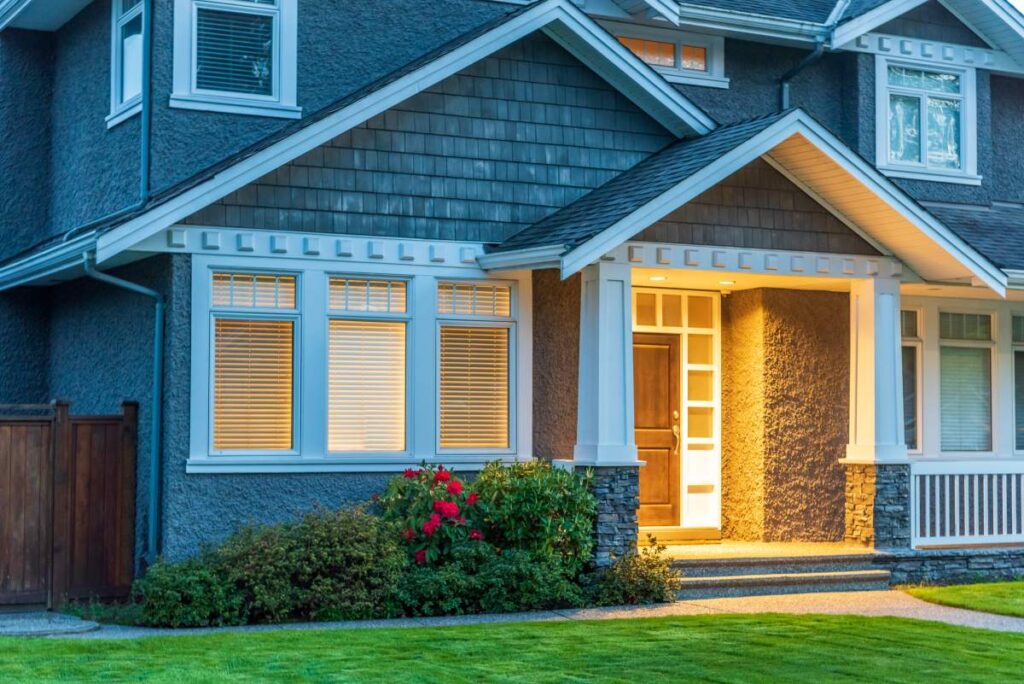
What are the clearest signs that windows need replacement?
The most reliable signs include persistent drafts, moisture between glass panes, difficult operation, visible frame damage, rising heating and cooling costs, and noticeable outdoor noise. A single issue may be repairable, but several problems occurring together often indicate that the window has reached the end of its useful service life.
For homes in Fallston, MD, windows must handle humid summers, cold winter temperatures, wind, rain, and repeated seasonal expansion and contraction. Older windows may gradually lose their ability to keep indoor temperatures steady, even if the glass still appears intact.
Do drafty windows always need to be replaced?
Not necessarily. A draft can come from worn weatherstripping, loose trim, failed caulking, or gaps around the frame. These problems may be corrected without replacing the entire window.
However, replacement becomes more likely when drafts continue after basic sealing work or when air can be felt around the sash, frame, and glass. Drafts are especially noticeable:
- Near windows on windy days
- Along the bottom or sides of movable sashes
- Around older wood frames
- In rooms that are consistently colder or warmer than the rest of the house
- Near windows with visibly shrunken, cracked, or missing sealant
A simple test is to hold a thin tissue near the window edges on a windy day. Movement in the tissue suggests air leakage, although it does not identify the exact source.
Why is condensation between window panes a serious warning sign?
Fogging or water droplets between panes usually mean the insulating seal has failed. Double- and triple-pane windows contain sealed spaces designed to reduce heat transfer. Once the seal breaks, moisture enters that space and the window loses part of its insulating performance.
Condensation on the room-facing side of glass is different. It may result from high indoor humidity, limited ventilation, cooking, showers, or drying laundry indoors. Condensation on the exterior surface can occur when the outside glass is colder than the surrounding air and does not necessarily indicate a defect.
The key warning sign is moisture trapped between panes that cannot be wiped away. Replacement of the insulated glass unit may sometimes be possible, but the condition of the frame and sash should also be considered.
What does difficult operation reveal about window condition?
Windows that stick, jam, or refuse to stay open may have mechanical or structural problems. Common causes include:
- Warped wood
- Corroded hardware
- Broken balances or springs
- Paint buildup
- Settling around the opening
- Frame damage caused by water infiltration
A window that will not open can reduce ventilation and make emergency exit more difficult. A window that will not stay open may also create a safety hazard if it closes unexpectedly.
Cleaning tracks and lubricating hardware may solve minor problems. If the sash remains difficult to operate, the frame may be distorted or the operating components may be worn beyond practical repair.
How can visible damage indicate a larger problem?
Peeling paint, soft wood, staining, swelling, or crumbling material around a window should not be treated as cosmetic issues alone. These conditions can signal repeated water exposure or hidden deterioration.
Inspect the interior and exterior sides of each window for:
- Dark stains below the sill
- Bubbling or peeling paint
- Soft spots in wood
- Cracks in vinyl or composite frames
- Gaps at the corners
- Damaged exterior trim
- Mold-like growth or persistent discoloration
Water damage is more likely to worsen when a window is exposed to driving rain, poor drainage, or failed exterior sealant. In older homes, deterioration may also extend into surrounding sheathing or wall materials. Extensive damage should be evaluated before covering it with new trim or sealant.
Can higher energy bills be caused by old windows?
Windows can contribute to energy loss, but they are rarely the only cause of a high utility bill. Attic insulation, air leakage through doors and walls, heating and cooling equipment, ductwork, and thermostat settings may have a larger effect.
Still, inefficient windows can make rooms uncomfortable and force heating or cooling systems to run longer. Signs that windows may be contributing include:
- Cold glass or nearby walls during winter
- Heat radiating through sunny windows in summer
- Furnishings or flooring that fade near the glass
- Uneven temperatures from room to room
- Curtains moving when the window is closed
- Heating or cooling that runs frequently near certain rooms
Older single-pane windows are generally less insulating than modern double-pane units. Some older double-pane windows may also perform poorly if their seals have failed or if their frames allow substantial air leakage.
When is glass replacement enough, and when is a full window replacement needed?
Glass replacement may be appropriate when the frame is sound but an insulated glass unit has failed. Full replacement is more reasonable when the frame is warped, rotted, cracked, badly leaking, or difficult to operate.
The surrounding wall condition matters as well. A new window will not solve water entry caused by damaged flashing, roof runoff, or problems in the wall above the opening. Before deciding, identify whether the issue involves the glass, the moving parts, the frame, or the structure around the window.
A window that is unattractive but dry, secure, and functional may not need immediate replacement. Appearance alone is usually a weaker reason than safety, water intrusion, air leakage, or widespread deterioration.
Do old windows always need to be replaced?
No. Age is a useful clue, but it is not a decision by itself. Some older windows remain serviceable when their frames are solid and their operating parts can be maintained. Historic wood windows may also have construction details worth preserving.
Replacement deserves more attention when age is combined with repeated repairs, failed seals, significant drafts, water damage, or poor operation. If a window is repairable and its performance is acceptable, maintenance may be the more practical choice.
What should Fallston residents check before winter?
Before cold weather arrives, inspect windows from both inside and outside. Look for gaps, damaged caulk, loose trim, cracked panes, and signs of water entry. Make sure locks engage fully and that emergency-use windows open without excessive force.
Simple maintenance can include cleaning tracks, replacing worn weatherstripping, keeping weep holes clear, and renewing small areas of failed exterior sealant with a product suitable for the material. Avoid sealing over drainage openings designed to let water escape.
For homes with persistent moisture, check indoor humidity and improve bathroom or kitchen ventilation. Condensation can be reduced by controlling humidity, but moisture between sealed panes generally points to a failed window seal.
How should homeowners prioritize window problems?
Safety and water intrusion should come first. A window that cannot function as an emergency exit, allows substantial rain inside, or has severely deteriorated framing deserves prompt attention.
Next, address windows that create major comfort problems or allow noticeable air leakage. Cosmetic concerns, minor hardware issues, and isolated fogging may be lower priorities if the window remains secure and the surrounding materials are dry.
Keeping a room-by-room record can help identify patterns. Note the window’s location, visible symptoms, weather conditions, and whether the problem appears seasonally. This information can distinguish an isolated repair from a broader pattern affecting multiple openings.